Inheritance
Inheritance allows classes to inherit properties and methods from parent classes, promoting code reuse and establishing hierarchies.
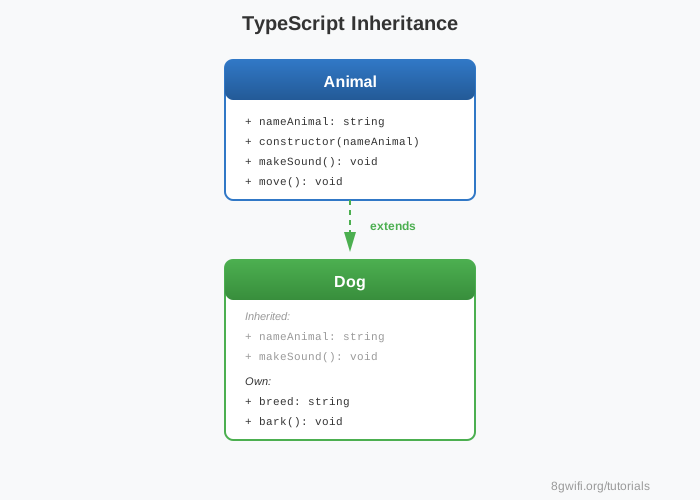
Basic Inheritance
Output
Click Run to execute your code
Key Concepts:
extends- Creates inheritance relationshipsuper()- Calls parent constructor- Child inherits ALL parent members
- Can override parent methods
Method Overriding
Child classes can override parent methods to provide specific behavior:
class Animal {
    makeSound(): void {
        console.log("Generic sound");
    }
}

class Cat extends Animal {
    makeSound(): void {  // Override
        console.log("Meow!");
    }
}

let cat = new Cat();
cat.makeSound();  // "Meow!"
Common Mistakes
1. Forgetting super() in Constructor
class Animal {
    constructor(public nameAnimal: string) {}
}

class Dog extends Animal {
    constructor(nameAnimal: string, public breed: string) {
        // ✗ Error - must call super() first!
        this.breed = breed;
    }
}

// ✓ Correct
class Dog extends Animal {
    constructor(nameAnimal: string, public breed: string) {
        super(nameAnimal);  // Call parent first
        this.breed = breed;
    }
}
2. Accessing Private Parent Members
class Parent {
    private secret = "hidden";
}

class Child extends Parent {
    reveal() {
        console.log(this.secret);  // ✗ Error! Private
    }
}

// ✓ Use protected instead
class Parent {
    protected secret = "hidden";
}
Best Practice: Favor composition over deep
inheritance hierarchies. Keep hierarchies shallow (2-3 levels max).
Summary
- Use
extendsfor inheritance - Call
super()in child constructor - Child inherits all parent members
- Override methods for specific behavior
- Use
protectedfor inheritance-friendly members
Enjoying these tutorials?